

How to Write a Resume/CV That Gets You Hired
The Stuff That Actually Moves the Needle
Six or seven seconds is roughly how long someone glances at your resume before deciding whether it’s worth a second look. Not much time to prove yourself. And yet most resumes still read the same way just a list of duties like the reader is supposed to guess what actually came out of all that work. They won’t guess. Here’s what actually gets a resume noticed.
1. Talk About Results Not Just Duties

There’s a big gap between saying what your job was and saying what happened because you did it well. Recruiters care about the second thing way more.
- “Responsible for managing social media” becomes “grew Instagram from 2K to 15K followers in eight months”
- “Handled customer complaints” becomes “resolved 95% of complaints on the first call cut escalations by a third”
- “Worked on sales team” becomes “closed $200K in new business across 40 accounts”
You don’t need a number on every line but whenever you’ve got one use it. Nothing else makes a bullet point jump out faster from a stack of fifty other resumes.
2. Kill the Objective Statement
So many resumes still open with “Seeking a challenging position where I can grow professionally.” Cool. That tells the reader absolutely nothing.
| What People Write | What Actually Helps |
|---|---|
| “Motivated professional seeking opportunities” | A summary naming your real skills and target role |
| Vague career goals | A line connecting your background to this specific job |
| Buzzwords | Plain language pulled from your real experience |
Two or three sentences aimed directly at the role you want does more work than a whole paragraph of filler ever will.
3. Tailor It Every Single Time
Sending the same resume everywhere is probably the single most common reason strong candidates get passed over.
Grab a few keywords straight from the job post and weave them into your bullets naturally especially since a lot of companies run resumes through scanning software first. Move your most relevant job up top if it’s buried. Trim anything that has nothing to do with the role in front of you. Fifteen minutes of tailoring maybe twenty that’s often the whole gap between a callback and getting filtered out before a human even opens the file.
4. Keep the Layout Boring on Purpose
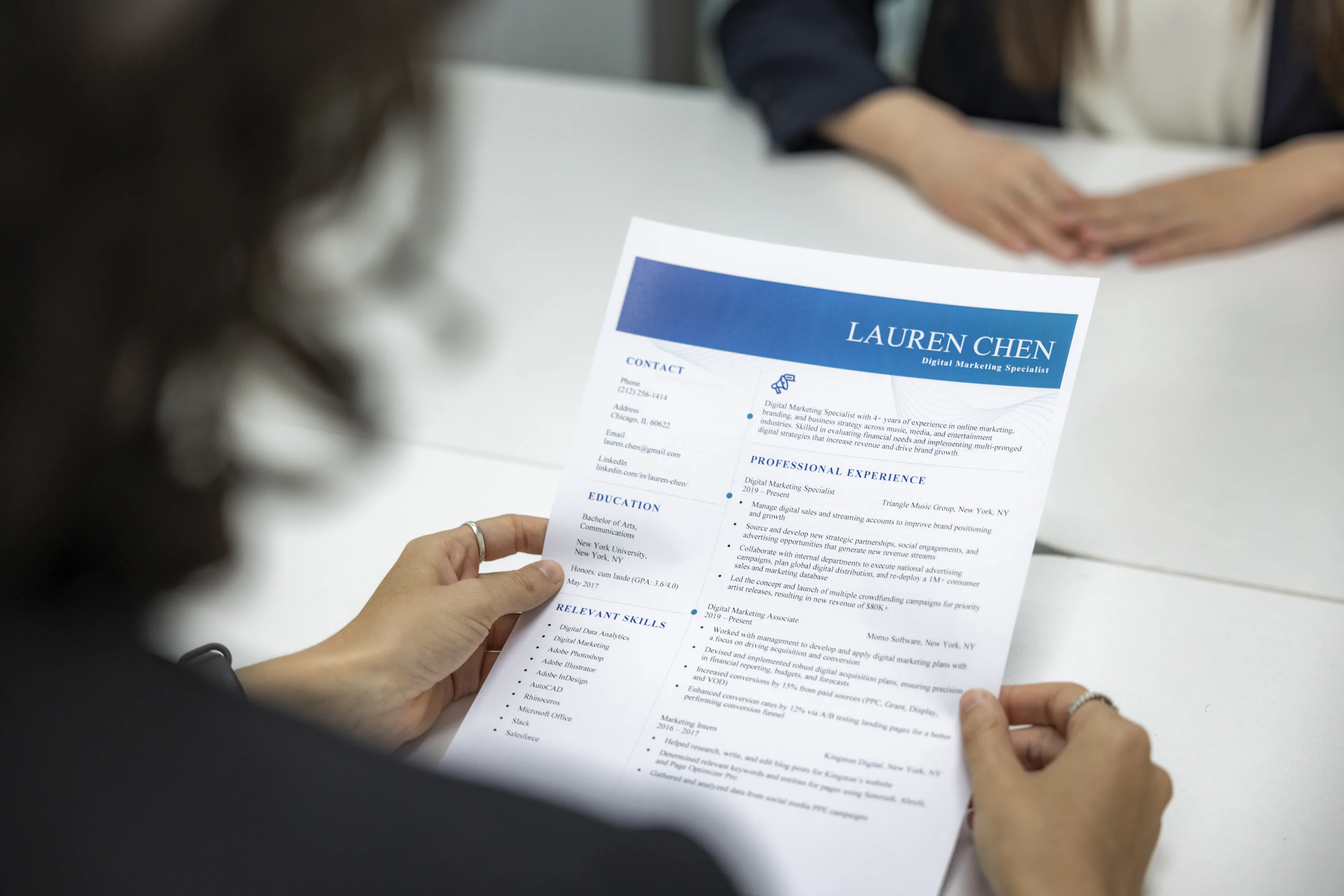
Wild fonts three colors a cramped two-column layout that looks nice but confuses both a human reader and the software scanning it skip all of it.
- One or two fonts nothing decorative
- Clear headers: Experience Education Skills
- Normal margins don’t shrink the text just to cram more in
- PDF unless they specifically ask for Word
Boring here is a good thing. It means people spend their attention on what you actually did instead of squinting at your layout trying to figure out where to look next.
5. Don’t Force It Onto One Page
There used to be this rule that a resume has to fit on a single page no matter what. Not really true anymore but padding it out just to fill space still hurts more than it helps.
| Experience Level | Reasonable Length |
|---|---|
| Under 3 years | One page |
| 3 to 10 years | One to two pages |
| Senior or specialized | Two pages rarely more |
Forget the page count as a goal. Every line should be earning its spot. If a bullet doesn’t say something real about your skills or your results it’s probably safe to cut.
6. Don’t Waste the Skills Section
People either skip this section entirely or fill it with nothing words like “team player” and “hard worker” that say absolutely nothing about them.
List real tools software languages certifications whatever’s actually relevant. Applying somewhere technical? Name the exact platforms you’ve used. Applying somewhere that leans on soft skills? Back it up with a quick example instead of just naming the trait and hoping someone believes you. A tight specific skills section helps a recruiter and a bot both figure out fast whether you’re worth a closer look.
7. Proofread Like It Actually Matters (It Does)

One typo probably won’t sink you on its own but it does chip away at the impression especially for roles where attention to detail is basically the job description.
Read it out loud slowly since it catches things your eyes skip right past when reading silently. Get someone else to look at it too since you’ve stared at your own resume so many times your brain fills in gaps automatically now. Check that names dates and job titles actually line up throughout. Run spell check sure but don’t trust it completely since it won’t catch a wrong year or a word that’s spelled right but just wrong.
8. Make Sure People Can Actually Reach You
Feels obvious to even mention but it trips people up more than you’d think. A broken link or an old number and a strong resume can quietly go nowhere.
Check your email is typed right and it’s one you actually check daily. Make sure your LinkedIn or portfolio link opens and isn’t sitting behind a privacy setting you forgot about. Use a number you’ll actually answer not one from three phones ago. Takes two minutes to check all of it. Skip it and a great resume just disappears into the void because nobody could get back to you.
Final Thoughts
The resume that gets you hired isn’t the fanciest one or the one crammed with buzzwords. It’s the one that makes a hiring manager’s job easy. Lead with what you actually accomplished tailor it for the role in front of you keep it clean and check every detail down to your own phone number. None of this is hard on its own. It’s just the stuff people rush past because a resume feels like a formality when really it’s usually the entire reason you get a shot at the interview at all.